
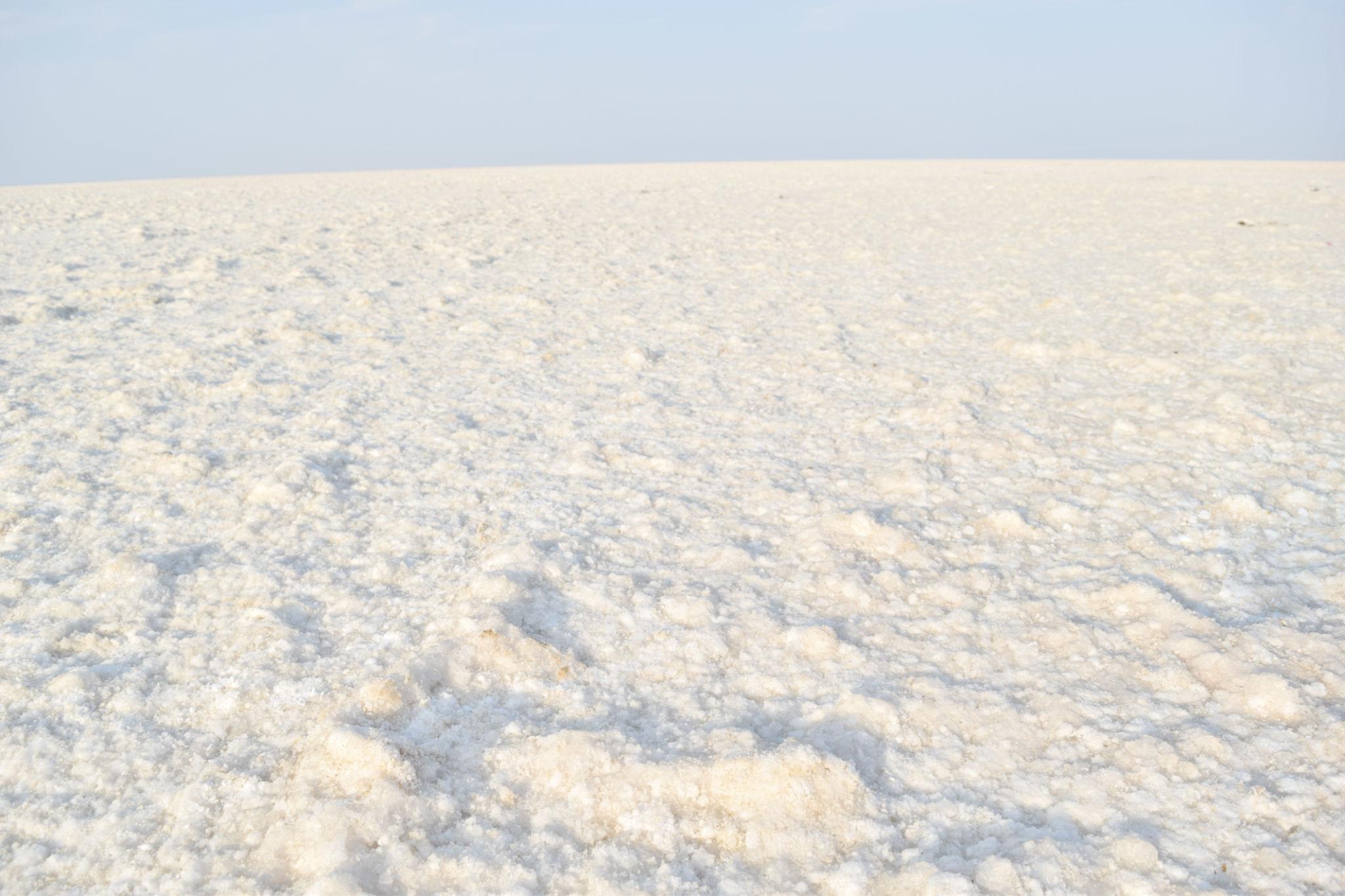
The White Desert of Kutch Why Gujarat’s Salt Wonderland is Truly Unique
The Rann of Kutch, located in Gujarat’s Kachchh district, is one of the most extraordinary landscapes in India. Stretching across nearly 30,000 square kilometres, this vast region includes the Great Rann, Little Rann, and Banni grasslands. What makes it truly remarkable is its transformation into a surreal white desert made entirely of salt—a natural phenomenon that attracts travelers from around the world.
But what exactly makes this destination so special? Let’s explore the magic behind Gujarat’s shimmering white sands.
What is the White Desert of Kutch?
The White Desert is not made of sand like typical deserts—it is a seasonal salt marsh. During the monsoon, seawater from nearby regions floods the area. As winter approaches, the water evaporates, leaving behind a thick layer of salt crystals that form a vast white landscape.
This natural cycle creates a glowing, snow-like terrain that looks especially magical under moonlight—making it one of the most photogenic places in India.
Why is the Rann of Kutch So Unique?
1. The World’s Largest Salt Desert
The Rann of Kutch is considered one of the largest salt deserts on Earth, offering an endless white horizon that blends seamlessly with the sky.
2. A Landscape That Changes with Seasons
- Monsoon: Turns into a shallow sea
- Winter: Becomes a dazzling white desert
- Summer: Harsh, dry, and extreme
This dramatic transformation makes every season offer a completely different experience.
Cultural & Spiritual Significance
The Rann is not just about landscapes—it is deeply rooted in culture and tradition:
- Kalo Dungar (Black Hill): The highest point in Kutch, offering panoramic views of the white desert.
- Dattatreya Temple: A centuries-old spiritual site with fascinating legends.
- Kutchi Culture: Known for vibrant handicrafts, embroidery, and folk traditions passed down generations.
The region is home to diverse communities including Hindus, Muslims, Jains, and Sikhs, adding to its rich cultural tapestry.
Ecological Importance of the White Rann
Despite its harsh environment, the Rann supports a surprising variety of wildlife:
- Migratory birds like flamingos
- The endangered Indian wild ass
- Unique desert flora and wetlands
The region includes protected zones like wildlife sanctuaries, making it a paradise for nature lovers and photographers.
The Magic of Rann Utsav
Every year from November to February, the White Desert hosts the famous Rann Utsav, a grand cultural festival celebrating Gujarat’s heritage.
During this time, visitors can enjoy:
- Traditional music and dance
- Local handicrafts and cuisine
- Luxury tent stays in Tent City
- Stunning full moon views over the salt desert
This is when the Rann is at its most vibrant and accessible, as the salt flats are fully visible after evaporation.
Final Thoughts
The White Desert of Kutch is more than just a travel destination—it’s a natural wonder shaped by time, climate, and culture. From its shimmering salt flats and wildlife to its rich traditions and festivals, it offers a once-in-a-lifetime experience.
Whether you’re a nature enthusiast, cultural explorer, or photographer, the Rann promises something unforgettable—especially under the glow of a full moon.